Frequently Asked Questions About Cats – Care & Behavior
Cats are independent, fascinating pets – and they raise many questions among their owners. Here you’ll find the most frequently asked questions about cat ownership, care, health, and behavior – answered in an easy-to-understand way. These tips will help you better understand your cat and give her a happy, healthy life.

How old can cats get?
House cats have a relatively high life expectancy. On average, cats live about 12–15 years; many indoor cats even reach 18 or 20 years or more. Life expectancy can vary depending on breed, living conditions, and healthcare: outdoor cats tend to face a bit more risk in daily life (traffic, fights over territory, etc.), whereas indoor cats often live more safely and sometimes longer. Some breeds (for example, Siamese cats) are known to often live to a very old age. However, the decisive factor is the individual cat’s health: with good care, high-quality food, and regular vet check-ups, you can increase the chances that your cat will happily and fitly reach a high age. There are even documented cases of cats over 30 years old, but such Methuselahs are the exception. On average, you can expect about 15 years, and anything beyond that is a wonderful bonus with your beloved furry friend.
How much do cats sleep per day?
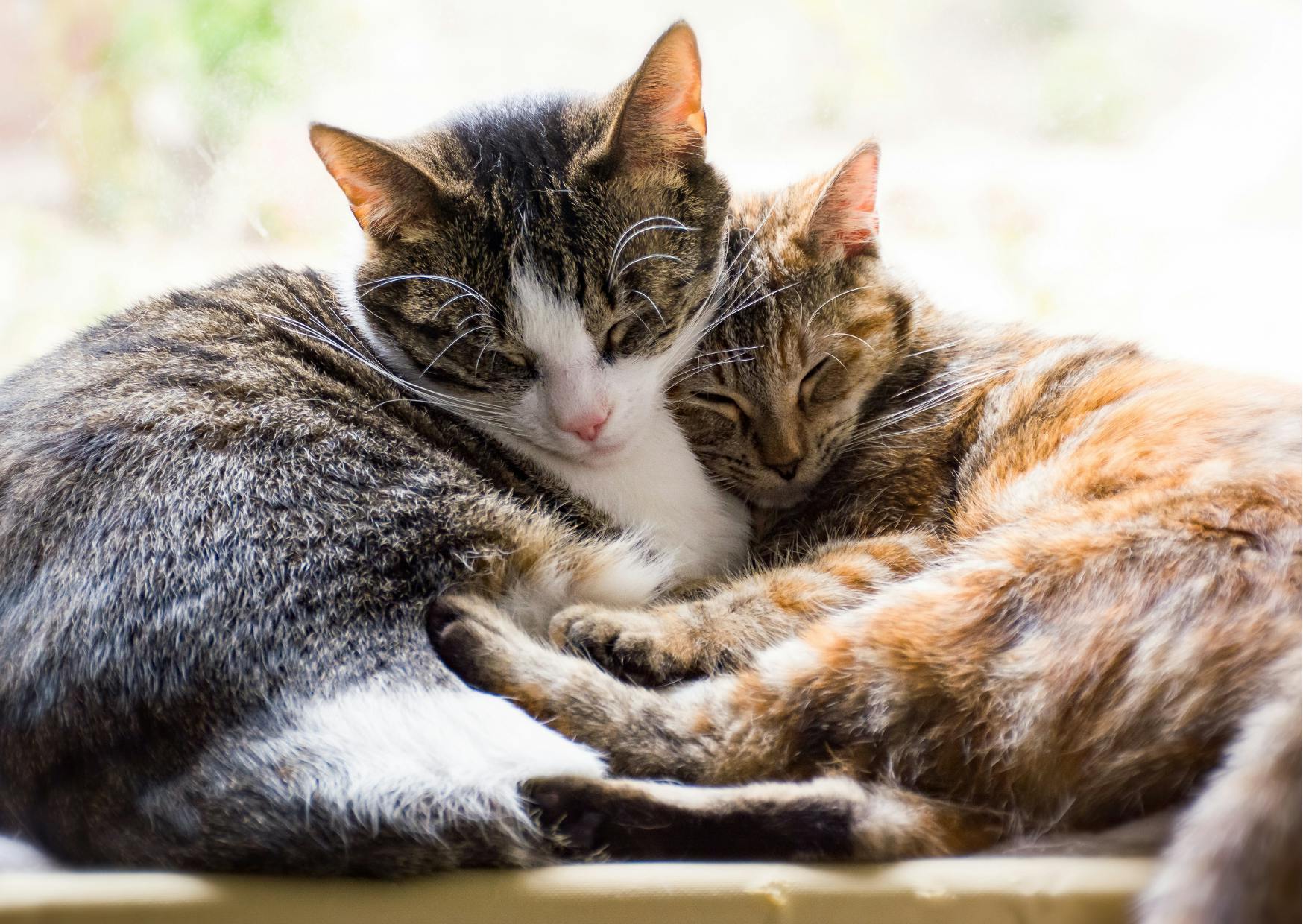
Cats are true sleep champions. An adult cat sleeps or dozes around 12 to 16 hours a day, and kittens and seniors often even more. A cat’s sleep is spread throughout the day — cats take many naps (the famous “cat naps”). They are crepuscular, which means they are especially active during dawn and dusk (early morning and evening), and they sleep a lot in the middle of the day or late at night. All this sleeping is perfectly normal and important for their recovery. So if your cat snoozes away most of the day, there’s no need to worry. Just make sure she has cozy places to sleep: cats love snug, protected spots, preferably a bit elevated (for example, a spot on top of a wardrobe or a cat bed on the windowsill). Note: Changes in sleep patterns can signal problems; if your cat suddenly sleeps significantly more and appears lethargic or isn’t eating, she might be sick. In that case, consult your veterinarian. Otherwise, let your cat rest — in her dreams she’s processing the adventures of her daily feline life!
Why do cats purr?
A cat’s purr is one of their most characteristic sounds and it has multiple meanings. Often, cats purr when they feel good and are relaxed — for example, while cuddling with their human or when being petted. In these cases, purring expresses contentment and a sense of connection. But cats can also purr in other situations: sometimes they purr to calm themselves or relieve stress, such as when they’re injured or anxious. The deep rumbling noise also has a soothing effect on the cat herself. Mother cats even often purr while giving birth, presumably to relax and make the birth pains more bearable. Interestingly, purring at a frequency of around 25 Hertz can even promote healing — it’s thought that it helps with bone growth and wound healing. Aside from indicating well-being or self-comfort, cats also “communicate” with us through purring: a gentle purr can also be a request for attention or food (many cats purr, for example, when they demand their breakfast in the morning — essentially as a polite prompt). Overall, purring is usually a positive sign. If your cat purrs in your presence, you can feel flattered — it means she feels safe with you. Just pay attention to her body language and the context: a tense, crouched posture while purring can also indicate pain. In most cases, however, a purring cat is a content cat.

What should cats not eat?
There are foods that are poisonous or unsuitable for cats. As a cat owner, you should know exactly what must never end up in your pet’s bowl or within her reach. Here are some foods that cats should not eat:
- Chocolate: As with dogs, chocolate contains theobromine, which cats cannot metabolize – even small amounts can lead to vomiting, diarrhea, seizures, and heart problems.
- Onions and garlic: These contain sulfur compounds that destroy cats’ red blood cells and can cause dangerous anemia. Even in dried or powdered form (e.g. in baby food or spices) they are harmful.
- Raw pork: It can carry the Aujeszky virus (pseudorabies), which is fatal to cats. Never feed raw pork to a cat.
- Alcohol: Just a few drops of alcohol can cause severe poisoning in cats, as their liver cannot process it.
- Coffee, tea and caffeinated drinks: Caffeine is toxic to cats (similar to dogs) and can cause heart rhythm disturbances and convulsions.
- Xylitol (birch sugar): This sugar substitute can cause a dangerous drop in blood sugar in cats (as it can in dogs). So keep sugar-free sweets and gum away from cats.
In addition, there are many plants that are poisonous to cats (for example, lilies can cause acute kidney failure in cats). Also, the idea of giving cats milk is a myth — many adult cats are lactose intolerant, and regular cow’s milk will give them diarrhea. It’s better to provide special lactose-free cat milk products or simply fresh water. In general, remember: cats are strict carnivores (obligate carnivores). Their metabolism is not designed to handle certain plant or human foods. When in doubt, feed only food that is explicitly made for cats. That way you ensure your furry friend doesn’t ingest anything dangerous. If your cat does snack on something unsuitable and shows signs of poisoning (vomiting, trembling, difficulty breathing, etc.), don’t hesitate and contact a veterinarian immediately.
How often should you feed a cat?
Most adult cats do well with two to three meals a day. For example, you could feed your cat in the morning and evening — some cats prefer an additional small snack at midday. What’s more important is the total amount over 24 hours: follow the feeding recommendations on the cat food and adjust them to your cat’s age, activity level, and weight. Kittens and young cats (up to about 6 months old) should be fed more frequently, around 4 meals daily, since their energy needs are high and their stomachs are small (they can only eat little portions at a time). From about 6 months of age, you can reduce to 3 meals, and once they’re adults, down to 2. Some cats, however, are creatures of habit and will beg at their accustomed times. In such cases, an automatic feeder can be helpful to provide portions throughout the day, especially if you’re out at work. Make sure to keep regular feeding times — cats like routine. And always provide fresh water! If your cat tends to scarf down her food and then vomit, smaller but more frequent portions can be wise to help prevent that. Overall, two meals (morning/evening) is a common minimum; many owners find that 3 portions (morning, afternoon, evening) work very well to keep their cat satisfied. Observe your cat: if she’s active, maintaining a healthy weight, and isn’t excessively begging, then you’ve found a good feeding rhythm.
Why do cats vomit frequently?
Cats throw up from time to time, and this can have various reasons — it’s not automatically a cause for alarm. The most common cause is hairballs: when grooming, a cat swallows a lot of hair that collects in the stomach. The cat then occasionally vomits up these hairballs, and that is normal and even important, so that hair doesn’t accumulate in the digestive tract. You can recognize hairballs by the elongated, hair-packed vomit. Aside from hairballs, the wrong diet can be a culprit: food that doesn’t agree with the cat or eating too quickly can lead to vomiting. Some cats also vomit if they eat too much too fast — here, anti-gulp bowls or feeding smaller portions can help. Illnesses can also be behind it: inflammation of the stomach (gastritis), parasites, an intestinal blockage, kidney problems, or an overactive thyroid can all manifest with frequent vomiting. If your cat vomits more than once a week or if other symptoms occur (diarrhea, loss of appetite, lethargy), you should have a vet check if something more serious is going on. An isolated vomit every few weeks — especially if it’s just undigested food or hairballs — is usually not a concern. Also, pay attention to what’s being vomited: clear, foamy liquid can happen on an empty stomach; yellowish fluid suggests bile (possibly from too long between meals); while vomit with food chunks indicates gobbling. Tip: regular brushing reduces hairballs. And ensure your cat isn’t nibbling on grass that’s been treated with chemicals — although cats do love to chew on cat grass to aid digestion, which is fine. If your cat is chronically vomiting, a vet visit is always advised. Otherwise, the occasional hacking up of hair or grass is part of a cat’s natural behavior.

What vaccinations do cats need?
Just like dogs, cats should receive certain core vaccinations to protect them from dangerous diseases. The most important vaccines for cats include:
- Cat flu (upper respiratory infections): This vaccination protects against multiple pathogens (calicivirus, herpesvirus, and often chlamydia) that cause the dreaded “cat flu” complex. It’s especially vital for young cats.
- Feline distemper (panleukopenia): A highly contagious viral infection that leads to severe diarrhea and often death. The vaccine is considered a basic immunization for all cats, whether they’re outdoor or indoor cats.
- Rabies: In Germany (for example) rabies shots aren’t legally required for cats, but they’re recommended for cats that go outdoors — particularly in border regions or if you plan to travel abroad with your cat. Rabies is dangerous to humans as well, so a cat that roams outside should be vaccinated for everyone’s safety.
- Feline leukemia (FeLV): Cats that roam outdoors should be vaccinated against the feline leukemia virus, since it’s transmitted between cats through close contact (fights, mutual grooming). Indoor-only cats with no contact to other cats typically don’t need this vaccine.
Kittens usually receive their first vaccinations at about the 8th–9th week of life (for distemper and respiratory infections), with a second round about 3–4 weeks later, possibly including rabies. After that, annual boosters are given for the cat flu complex and leukemia, and boosters for distemper and rabies typically every 2–3 years (depending on the vaccine and the cat’s risk factors). Discuss an individualized vaccination plan with your vet, especially if your cat goes outdoors. Vaccination is important: even strictly indoor cats can catch respiratory viruses (the germs can hitch a ride on your clothing or shoes). The vaccines are generally well tolerated — the benefits far outweigh the risks, since the diseases in question are severe. A set of core shots in the first year and regular boosters will keep your cat healthy and protect her from avoidable suffering.
Why do cats meow?
Meowing is a cat’s way of “talking” to us humans. Interestingly, adult cats hardly meow at each other — this vocalization is mostly reserved for communicating with us. So if your cat meows, she’s trying to tell you something. The most common reasons are: hunger or begging — many cats will meow loudly around feeding time to remind you that their bowl is empty. Greeting — a short “meow” when you come home means something like “Hello, nice to see you!”. Attention or boredom — some cats meow because they want to play or be petted. Stress or discomfort can also trigger meowing, for example if the cat wants to get into a room and the door is closed (cats hate closed doors!). In contrast to purring (which usually signals contentment), persistent, plaintive meowing can also be a sign of pain or illness — for example, cats with an overactive thyroid or with cognitive dysfunction (feline dementia) often meow more than usual or at odd times. Young, unneutered cats (females in heat or tomcats looking for a mate) will also meow or yowl very loudly during breeding season. As an owner, over time you learn to distinguish the different meow sounds: a demanding, drawn-out “meeooow” means something different than a short, questioning “mrrp?”. It’s important to consider the situation: if your cat is meowing outside your bedroom door in the morning, she probably wants to come in or is asking for breakfast. If she’s meowing in front of a closed closet, she’s likely curious about what’s inside. Tip: accommodate your cat’s reasonable wishes (feeding time, cleaning the litter box, play sessions), but don’t reward annoying excessive meowing. And if your cat suddenly starts meowing a lot more than before without an obvious reason, let a vet check her out, just in case she’s in pain or not feeling well. In general, though, our cats simply love to “chat” with us — and who can resist that charming little voice?
How do I get my cat used to the litter box?
Cats are naturally clean animals and usually surprisingly easy to litter train. Kittens often learn how to use a litter box from their mother. If you bring a young kitten into your home, set up a litter box from the very beginning in a quiet, easily accessible spot. Place the little cat in the box after she eats or wakes up from a nap, so she knows where it is. Generally, cats figure this out very quickly. The important thing is that the litter box is kept clean, as cats avoid dirty toilets. Scoop out clumps daily. If your cat isn’t using the box, investigate why: Is the box in the wrong place (too noisy, or too close to the feeding area)? Does she dislike the litter (some cats hate scented litter or prefer a finer or more coarse texture)? Is the litter box too small or hard to access? Ideally, you should have one litter box per cat plus one extra (for one cat, two litter boxes in the home), especially in multi-story houses or if you have multiple cats. If the occasional accident happens, do not scold the cat — that would only make her anxious. Instead, clean up any mess calmly (use a cleaner that neutralizes odors) and keep positively reinforcing litter box use. Praise your cat with a gentle voice or a stroke when you see she’s used her box properly. In very rare cases, cats persistently refuse to use the litter box; then a health problem (like a bladder infection or diarrhea) could be the cause, making the cat associate the box with pain. In such cases, or if a cat is marking due to stress or territory issues, a vet or a cat behaviorist can help. In most cases, though, cats become litter-trained virtually on their own, as long as you offer them a clean box in the right location.
Why does my cat scratch furniture?
Scratching is part of the natural behavior of every cat. By sharpening their claws, cats keep their nails in shape and mark their territory — both visually (scratch marks) and through scent glands in their paws. If your cat is scratching on furniture or wallpaper, she’s not doing it out of spite against you, but following her instincts. To protect your furniture, it’s important to provide the cat with acceptable scratching options: a sturdy scratching post, scratch boards on the walls, or special scratching furniture. Actively show your cat that she should use these. Place the scratching post in attractive locations (e.g. near a window or near the cat’s favorite spot). Praise her when she uses the post. Why are sofas and other furniture so tempting? Often because they’re in prominent locations. Cats prefer to scratch where it’s strategically useful for them to mark territory — for example, the sofa in the living room, where there’s a lot of “activity.” During the training phase, you might cover delicate furniture with a throw blanket or use double-sided tape on the problem areas; cats hate the sticky feeling on their paws and will stay away. At the same time, make the scratching post super attractive: maybe spray it with catnip or place some treats there initially. Also, pay attention to claw maintenance: check the claws of your indoor cat. If they aren’t wearing down enough on their own, you can trim them slightly with a claw trimmer (have your vet show you how) so that your cat feels less urge to scratch everywhere. By the way, scratching also serves as stress relief. If a cat feels unsure or anxious (new home, new pet, etc.), increased scratching can occur. In that case, providing additional scratching outlets and soothing the cat (e.g. using a calming pheromone diffuser like Feliway) can help. With consistent redirection to allowed scratching objects, your cat will usually learn quickly where she’s allowed to do her “manicure” – and your couch will remain unscathed.
How long can you leave a cat alone?
Cats are seen as more independent than dogs, but they too need companionship and attention. Generally, an adult, healthy cat can indeed stay home alone for a number of hours — many cats handle a normal workday absence (about 8 hours) just fine. The key, however, is that certain preparations are in place: the cat should have enough food and fresh water (for longer absences you might use a timed feeder), as well as a clean litter box. Many indoor cats will anyway sleep through the majority of the day when nobody is home. Still, a single cat should not regularly be left alone for much longer than a normal workday (max. 8–10 hours) because otherwise boredom and loneliness can become an issue. Cats are social creatures, even if they don’t have a pack instinct like dogs do. Solo indoor cats often benefit from having a feline buddy, so they can keep each other company. Being left alone overnight or for an entire weekend is not ideal for a single cat — in an emergency one night alone might be okay, but being left by herself day after day is not good for her mental health. If you work full time, consider whether two cats might be an option (so they have companionship), or ensure plenty of enrichment: for example, leave a radio playing softly, provide toys (puzzle feeders, treat-hiding toys) for entertainment, and remove any dangers from the environment. When you go on vacation, a cat should be visited at least once a day by a pet sitter, or better yet twice (morning and evening) – that way she is fed, her litter is cleaned, and she gets some human contact. Bottom line: a few hours alone are fine, but it’s not a good long-term arrangement to have a cat completely alone for extended periods every day. Every cat is different – some tolerate being alone better, while others may start to suffer even after a short time. Watch for signs of stress such as eliminating outside the litter box or destructive scratching of furniture; those can be indications that your cat needs more companionship and stimulation.
At what age can kittens be separated from their mother?
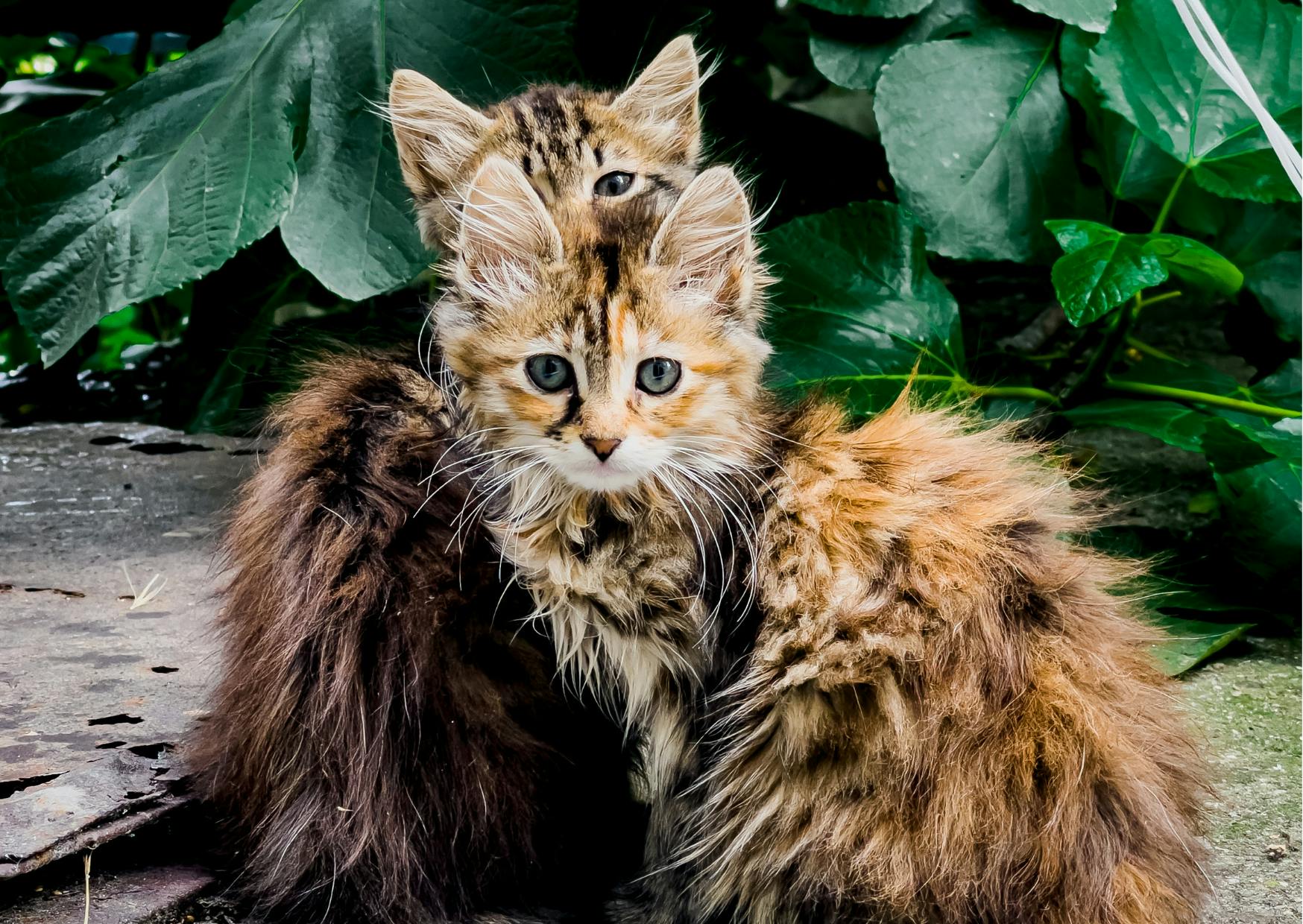
Young kittens are irresistible, but they should not be taken from their mother and littermates too early. The general recommendation from veterinarians and animal welfare experts is: not before 12 weeks (3 months) of age should a kitten go to a new home. Waiting until 14 or 16 weeks is often even better, especially for pedigreed kittens from breeders. Why 12+ weeks? In the first weeks of life, kittens learn everything important from their mother and siblings: social behavior, bite inhibition, how to use the litter box, grooming, and coordination through play. If they’re separated too early (say at 6–8 weeks old), they miss out on crucial lessons; such kittens more often display behavioral issues later (like biting or not using the litter box properly). Additionally, the mother’s milk provides them with immune protection and they nurse until at least the 8th week. At around 4 weeks old, kittens do start nibbling on solid food, but the mother cat often continues nursing them partially until the 10th–12th week. Also, the first vaccinations (for cat flu and distemper) are given around the 8th and 12th week, i.e., a responsible caretaker will wait for these dates so that the little ones have already been vaccinated. Naturally, there can be emergencies (like orphaned kittens) that require earlier placement — in those cases, ideally there should be another kitten of a similar age present as a companion. Important: If you adopt a kitten, plan to devote a lot of time in the first days and weeks to, as best as you can, fill in for the mother in terms of warmth, play, and even a bit of discipline/training. And consider adopting two siblings; it often makes the adjustment easier for them. By 12 weeks, kittens are typically litter-trained, weaned onto solid food, and socially developed enough to handle the move to a new home. Responsible breeders or shelters adhere to this age guideline.
Why do cats love boxes and crates?
Anyone who’s lived with a cat knows the phenomenon: as soon as a cardboard box is left lying around, the cat sits in it – no matter if the box seems too small or a brand new high-tech cat bed is sitting right next to it. Cats have a genuine fondness for boxes, crates, or even simple shopping baskets. Why is that? For one, boxes give cats a feeling of security and coziness. In the wild, cats like to seek out tight hiding spots where they’re protected on three sides – a cardboard box mimics exactly that. It’s a perfect hideout where a cat can lurk unseen or just relax feeling safe. Secondly, cardboard is a good insulator: a box is snug and warm, which cats love (a cat’s comfort temperature is higher than ours – around 30°C (86°F) is something they enjoy). Plus, boxes are just plain fun: the rustling of the cardboard, the new smells (especially if a package has just been delivered), all of that arouses a cat’s curiosity. For indoor cats, boxes add some variety to their environment – they can play in them, scratch them, and hide inside. There’s even a theory that squeezing into tight spaces reduces stress; studies have shown that cats with hideaway options like boxes are more relaxed and adjust faster to new environments. Therefore: go ahead and let your cat enjoy the fun! Provide her with various boxes (without any tape or staples on them) to play and lounge in. You can cut holes in them, connect multiple boxes – it makes for an inexpensive playground! Just make sure there are no sharp bits (like staples) that could injure her. And don’t take it personally if your cat ignores the expensive cat bed and instead curls up in an old shoe box – cats have their own minds, and cardboard boxes are high on their list of favorite things.

Adopting a Cat in Germany: Process, Costs & Essential Tips (2026)
“Adopting a cat” is one of the top pet-related search queries in Germany. Cats are often seen as low-maintenance pets, but they also require care, planning, and long-term commitment.
This guide explains everything you need to know about adopting a cat in Germany, following recommendations from trusted animal welfare organizations such as the German Animal Welfare Association.

Frequently Asked Questions about Dogs – Care & Behavior
Dogs are among the most popular pets in Germany. Whether you are an experienced dog owner or a beginner, questions will continually come up in everyday life with a dog. Below, we answer the most frequently asked questions about dog care, health, and behavior. These answers will help you understand your four-legged friend better and provide them with optimal care.
Последние
Из нашего блога
Последние новости индустрии, интервью, технологии и ресурсы.