Frequently Asked Questions about Dogs – Care & Behavior
Dogs are among the most popular pets in Germany. Whether you are an experienced dog owner or a beginner, questions will continually come up in everyday life with a dog. Below, we answer the most frequently asked questions about dog care, health, and behavior. These answers will help you understand your four-legged friend better and provide them with optimal care.
How old can dogs get?
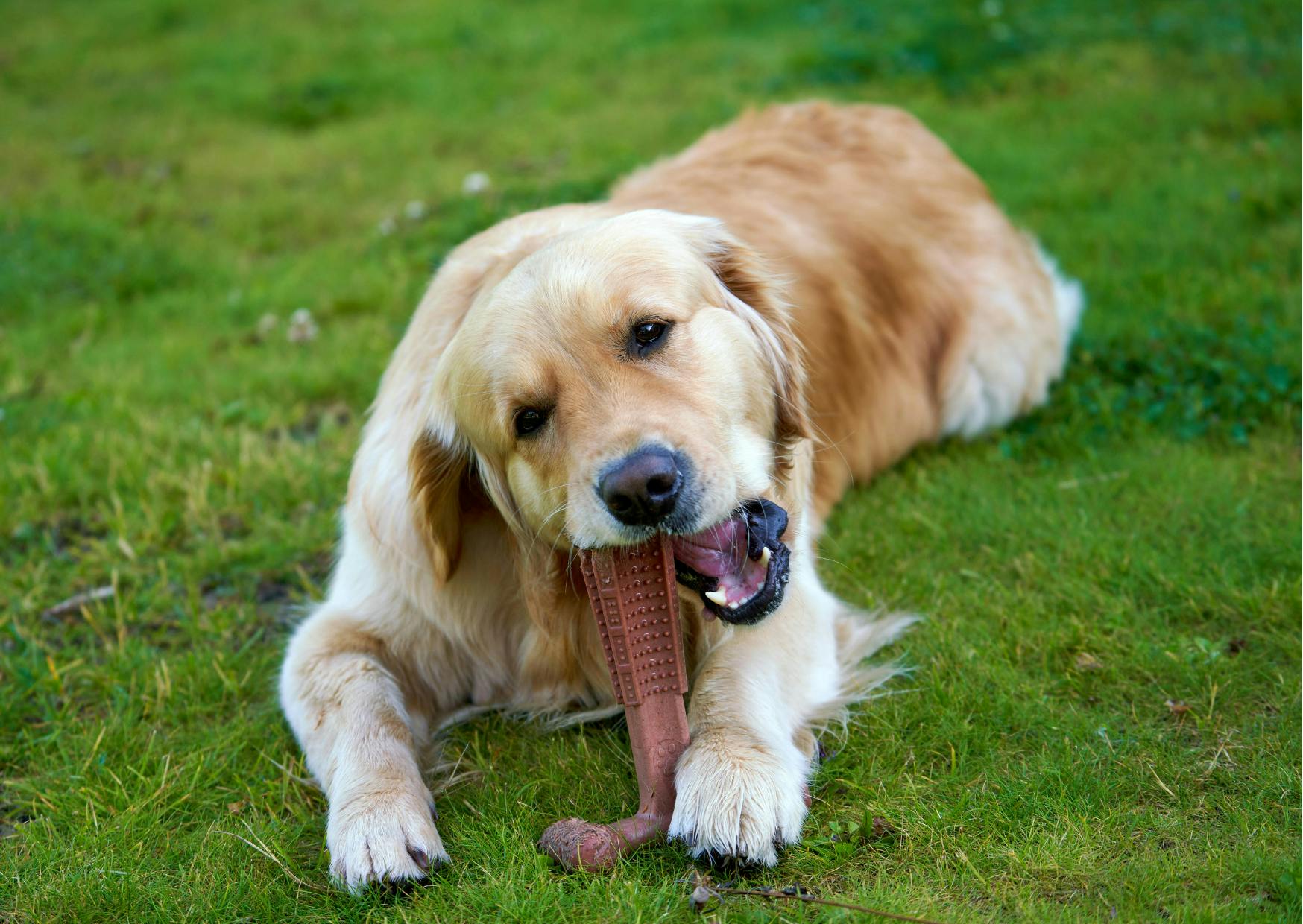
A dog's life expectancy depends on factors such as breed, size, and health. On average, dogs live about 10 to 13 years, with small breeds generally living longer than large ones. Some dogs even reach 15 years or more.
Aside from genetics, the key to a long life for a dog is good care, a proper diet, and preventive medical check-ups. Providing a balanced diet, plenty of exercise, and regular vet visits can improve your dog's quality of life and often extend its lifespan. Keep in mind that every dog is an individual and there are no guarantees – but you can do a lot to give your pet a healthy, long life.
How much sleep does a dog need?
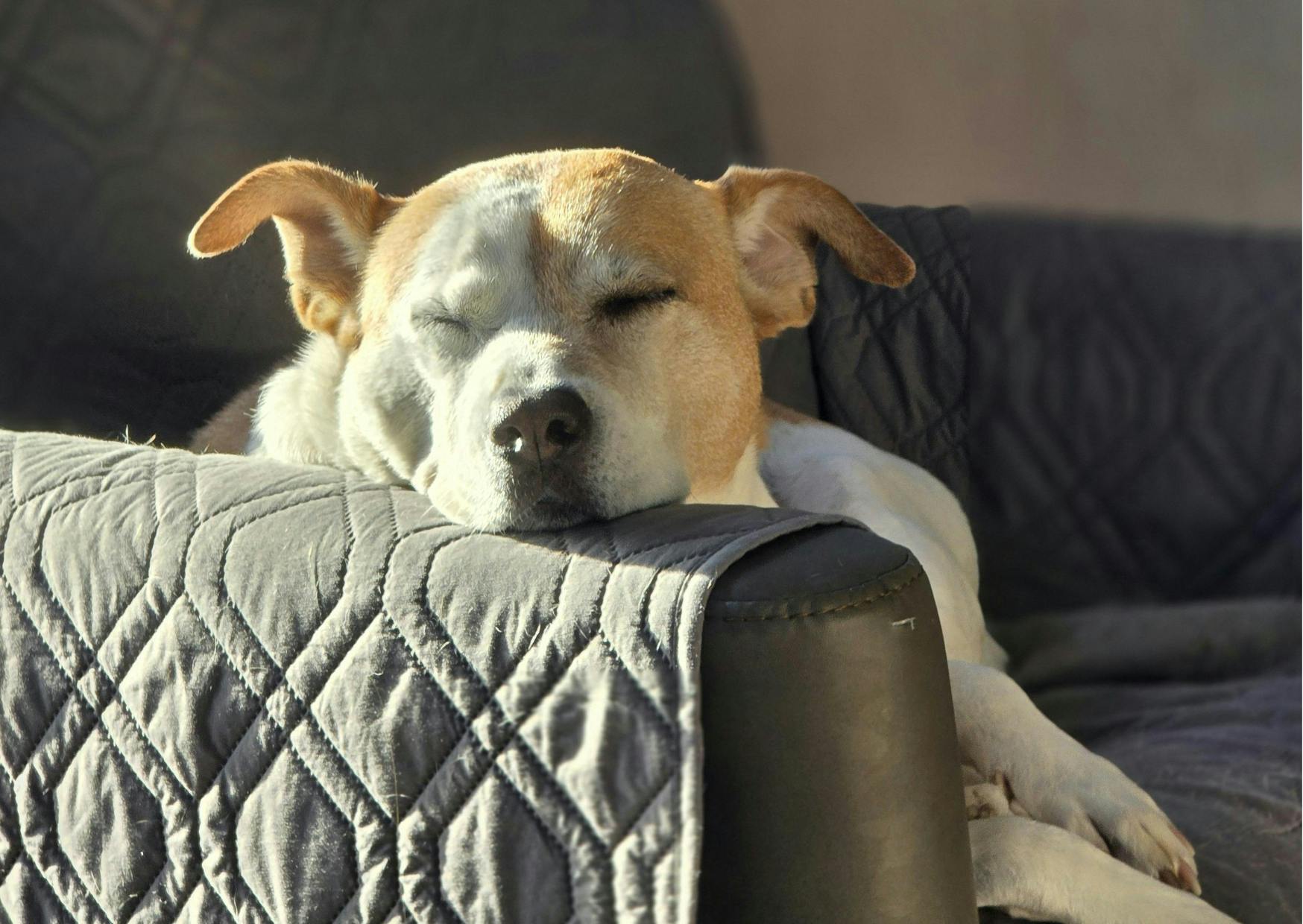
Dogs actually spend a surprising amount of time sleeping or napping. Adult dogs need on average about 12 to 18 hours of sleep per day, depending on factors like age, breed, and activity level. Puppies and senior dogs may need as much as 20 hours of rest a day, since their bodies require a great deal of recovery time for development (in puppies) and regeneration (in older dogs). This need for sleep includes both nighttime sleep and many daytime naps.
It’s important that your dog has a quiet spot where they can sleep undisturbed. Make sure your dog has enough downtime during the day and isn't constantly being disturbed. Enough sleep is not a luxury; it’s fundamental for your dog's health, stress reduction, and balanced temperament.
If your dog is sleeping significantly more or less than usual and appears lethargic or shows other symptoms, there might be a health problem. In that case, you should consult a veterinarian.
What should dogs not eat?
Some foods that are harmless to us can be extremely dangerous for dogs. Foods that dogs should absolutely avoid include for example:
- Chocolate: Contains theobromine and can cause vomiting, diarrhea, seizures, or even heart problems in dogs.
- Grapes and raisins: Even small amounts can trigger acute kidney failure in dogs.
- Onions and garlic: Damage a dog's red blood cells and, in larger quantities, can cause severe anemia.
- Avocado: Contains persin, a substance toxic to dogs that can cause gastrointestinal problems.
- Alcohol: Even small amounts of alcohol can cause poisoning symptoms in dogs, such as loss of coordination, difficulty breathing, and collapse.
- Caffeine & Xylitol: Coffee, tea and other caffeinated beverages can lead to a racing heartbeat and seizures. Xylitol (a sweetener found in sugar-free gum/candies) can cause a life-threatening drop in a dog's blood sugar and lead to liver damage.
- Macadamia nuts: Can cause weakness, tremors, and fever in dogs and therefore should never be given to them.
To protect your dog's health, it’s best to feed them only dog food or suitable dog treats. Don’t leave dangerous foods lying around where your dog could reach them. If your dog has accidentally eaten something toxic, contact a veterinarian immediately.
How often should you feed a dog?
Adult dogs generally do well with two meals a day — usually one feeding in the morning and one in the evening, about 8–12 hours apart. Dividing their food into two smaller portions is more easily tolerated by many dogs than a single large meal. Very small breeds or dogs with sensitive stomachs sometimes benefit from three smaller meals per day. Puppies need to be fed much more often: initially (up to around 6 months old), three to four meals a day are common, because their stomachs are still small and they need energy throughout the day.
It’s important to keep feeding times as regular as possible, since dogs love routine. This way, they learn when to expect food and their digestive system can adjust to the schedule. Be sure to split the recommended daily amount of food (according to the manufacturer or your vet) across these meals to avoid overfeeding. Fresh water should of course be available at all times.
How often should I bathe my dog?
When it comes to grooming and coat care, the rule is usually: less is more. In general, it’s sufficient to bathe a dog only every few months. Frequent shampooing can strip away the natural oily layer on a dog’s skin and lead to skin problems.
Of course, there are exceptions: if your dog has thoroughly rolled in dirt or something smelly, you won’t be able to avoid a bath. Puppies ideally should not be bathed at all in the first few months to avoid disturbing their skin barrier. In those cases, wiping them down with a damp cloth as needed is enough.
When bathing your dog, use special dog shampoos, as these are formulated for the pH of canine skin. Regular human shampoo is not suitable. Important: Dry your dog off well after the bath and don’t leave them wet in a draft, to prevent them from catching a cold.
By the way, a good alternative to a full bath is regular brushing. It keeps the coat clean, removes loose hair and dirt, and stimulates blood circulation in the skin.
Why does my dog eat grass?
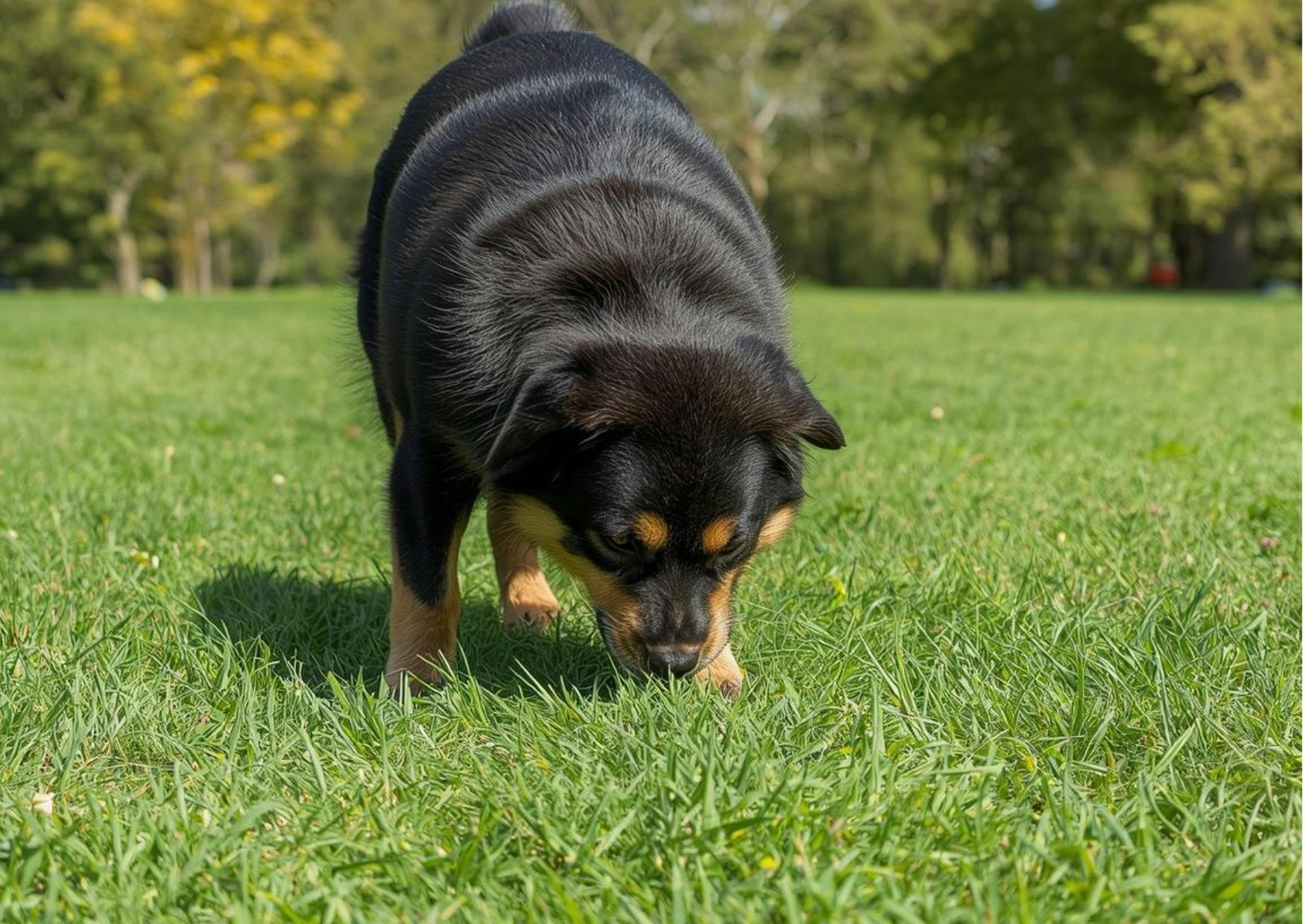
Many dogs nibble on clumps of grass outside from time to time, which often puzzles owners at first. In fact, a dog eating grass is usually considered normal behavior. There are various theories as to why dogs eat grass: some experts suspect that dogs do it to regulate their digestion. Grass might help soothe stomach discomfort or induce vomiting if the dog feels nauseous. Others believe dogs are getting fiber or nutrients through grass that are missing in their diet.
As long as your dog only occasionally eats grass in small amounts and shows no signs of discomfort, it’s usually no cause for concern. However, make sure the grass hasn't been treated with pesticides or fertilizer. Caution: If your dog suddenly eats large quantities of grass and vomits frequently, or if they nibble on unknown plants that could be toxic, you should contact a veterinarian to be safe.
How long can I leave my dog alone?
Dogs are social animals and don't like to be left alone for long. As a rough rule of thumb, adult dogs should not be left home alone for more than about 4–6 hours. Many experts even recommend a maximum of six hours. Dogs need to relieve themselves at least every few hours (hence the need for regular walks) and they often experience separation stress if they are without their humans for too long.
A well-trained adult dog might manage being alone for half a workday on occasion, but it’s not ideal for this to happen every day. Puppies and young dogs should initially be left alone for only a few minutes up to at most 1–2 hours, and they must be slowly accustomed to it, since they still need a lot of attention and have no sense of time.
If you work full-time, arrange for some form of pet care (family, a dog sitter, or a dog daycare) so that your dog gets some company, exercise, and a chance to relieve themselves during the day. Keep an eye out for signs of separation anxiety, such as whining, barking, or destroying objects, and practice getting your dog used to being alone step by step. Every dog is different – some handle being alone better, others worse. When in doubt, err on the side of providing more supervision, since extended loneliness can lead to behavioral problems and significant stress for a dog.
Why does my dog bark so much?
Barking is a natural form of expression for dogs. They use it to communicate various things such as excitement, warning, or a desire for attention. However, if your dog seems to bark constantly or excessively, it’s worth investigating the cause. Common reasons for persistent barking include:
- Territorial behavior: Many dogs bark when the doorbell rings or when strangers walk past the property. They want to defend their territory.
- Boredom or under-stimulation: A dog that isn’t kept sufficiently busy can bark continuously out of frustration or an excess of energy.
- Fear or insecurity: Some dogs bark at every unfamiliar noise or in new situations because they are anxious and feel unsure.
- Attention: Dogs are clever, and some learn that barking gets their owner’s attention — even scolding is attention. This can lead to “manipulative” barking.
- Joy/Greeting: Some dogs bark out of sheer excitement, e.g. when you come home or during play; in these cases the barking expresses positive excitement.
Depending on the cause, you should approach the solution differently. The key is to be patient and consistent. Reward quiet behavior, and ignore your dog when they bark out of boredom or to demand attention (so that the behavior isn’t rewarded). For territorial barking, you can train your dog to be quiet on command when, for example, the doorbell rings, and teach them that you have the situation under control. Make sure your dog gets plenty of physical and mental activity, so they are content and tired — a well-exercised dog is less likely to bark from boredom. If fear is the reason, work on your dog’s socialization and desensitization in small steps, and consider getting help from a professional dog trainer.
Note: A certain amount of barking is normal and can depend on the breed (for example, a Beagle tends to “talk” a lot). However, if the barking becomes a problem, seek professional help to relieve the stress for both your dog and yourself.
Why does my dog eat poop (coprophagia)?
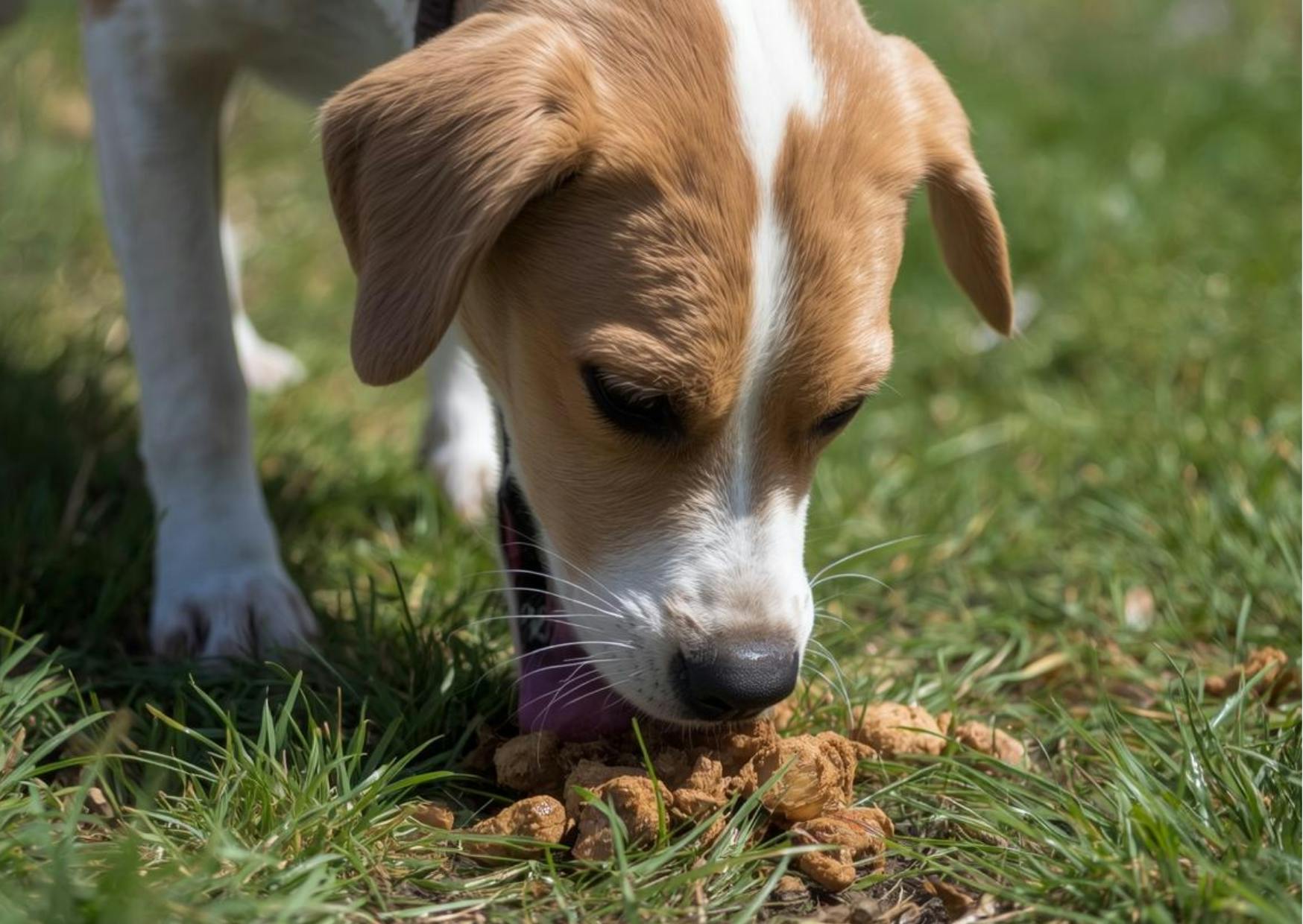
Eating feces, technically known as coprophagia, occurs in some dogs and is quite unpleasant for us humans. There are several possible causes: Some dogs eat the feces of other animals (e.g. cat poop) because of certain smell components or simply because it “smells interesting” to them. Puppies try out many things during their exploration phase, including poop, but they usually learn that it’s not part of their normal food. Another theory is that a nutrient deficiency or digestive problem could lead a dog to eat feces, with the dog possibly attempting to ingest missing enzymes or bacteria.
Often, however, the reasons are behavioral. For example, a dog that was punished for toileting in the house might eat its own poop to dispose of the “evidence.” Likewise, boredom or stress can be causes for this behavior.
It’s important to rule out medical reasons — a veterinary check-up can determine if, for instance, a parasite infection or pancreatic insufficiency is present that could be causing maldigestion and thus unusual eating behavior. Otherwise, training can help: call your dog away immediately if they try to pick up poop outside, and reward them for coming. Promptly remove any dog droppings in your own yard so no temptation can arise in the first place. In persistent cases, a muzzle can temporarily prevent your dog from eating trash or other inappropriate things outdoors.
The good news: Many dogs eventually grow out of poop-eating as they get older, especially if there is no medical cause and they receive plenty of exercise and proper training.
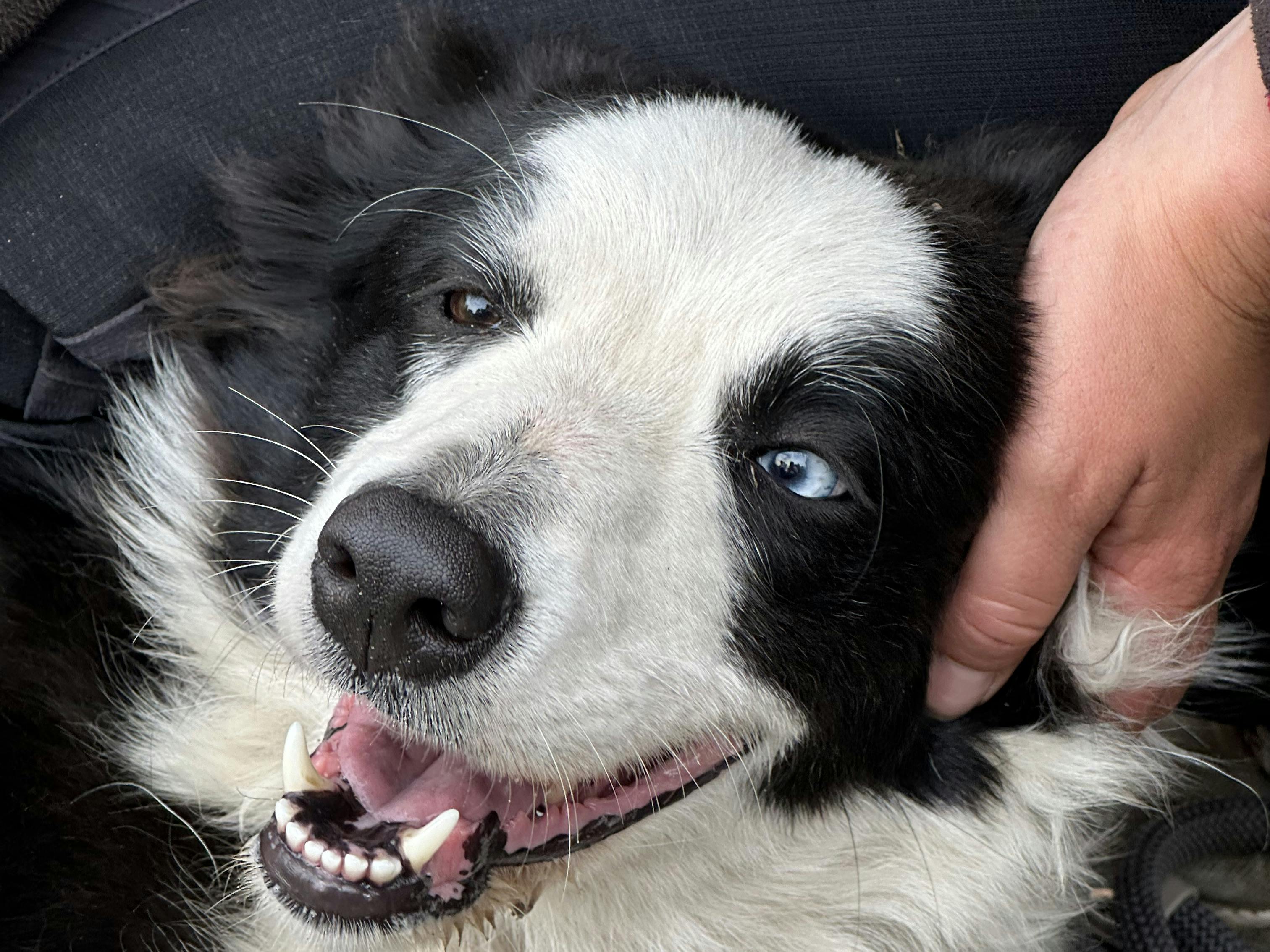
Adopting a Dog in Germany: The Complete Guide (2026)
“Adopting a dog” is one of the most searched pet-related topics in Germany. More and more people are choosing adoption instead of buying from breeders or online marketplaces. But how does dog adoption actually work in Germany? What are the requirements, costs, and responsibilities?
In this comprehensive guide, you’ll learn everything you need to know before adopting a dog in Germany, based on best practices and recommendations from trusted animal welfare organizations, including the German Animal Welfare Association (Deutscher Tierschutzbund), the partner of Balu.
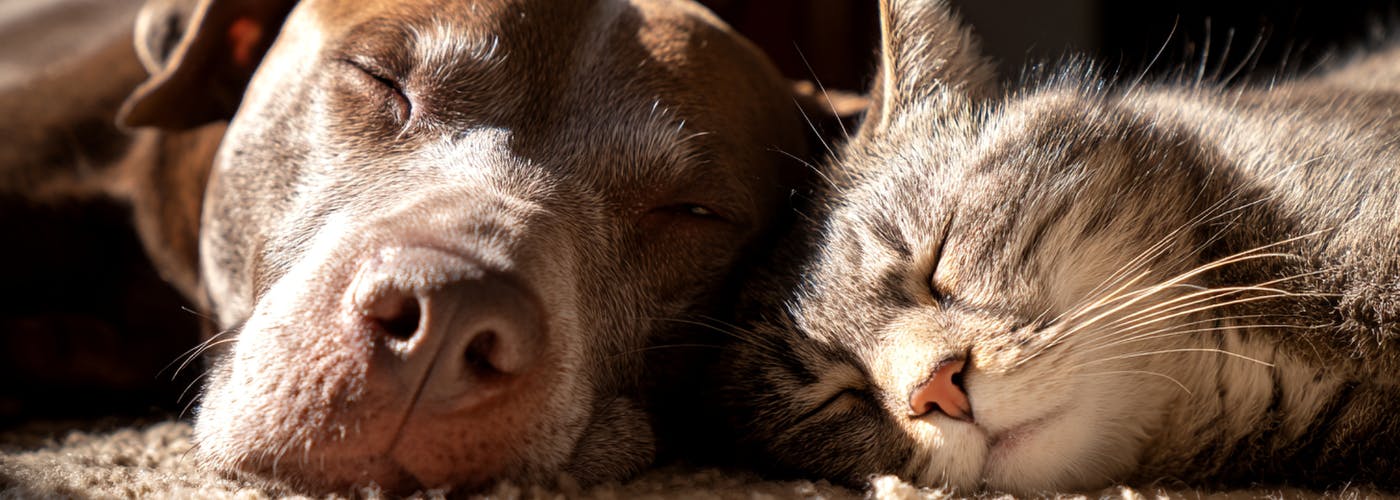
How Much Does a Pet Really Cost? Full Breakdown of Costs & Responsibilities
Many people underestimate the true cost of owning a pet, financially and emotionally. This article answers one of the most searched questions in Germany and helps you decide whether a pet fits your lifestyle.
Последние
Из нашего блога
Последние новости индустрии, интервью, технологии и ресурсы.