Epilepsy in Dogs – with Dr. Deborah Wimmer: Milo’s Story
Recently, we lost Milo, an approximately ten-year-old dog from the Oberhavel animal welfare organization. Milo had epilepsy and waited a long time in the shelter for a home. His fate deeply moved us. That is precisely why we want to use his story to raise awareness about epilepsy in dogs and to help reduce fear and uncertainty surrounding the condition.
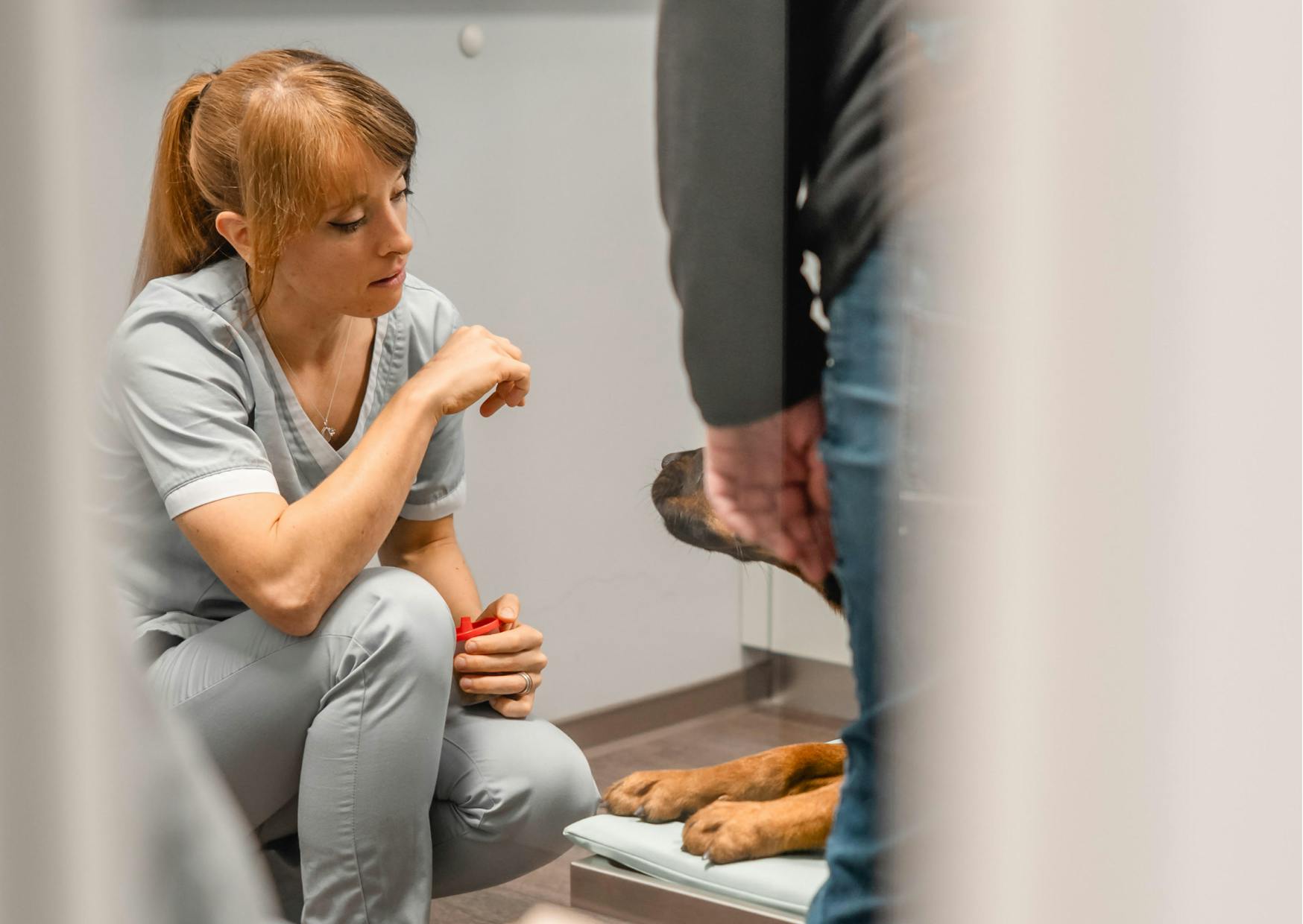
Milo’s Story
Milo’s case shows that with the right care, a dog with epilepsy can live an almost normal life. With medication, he was “as normal as any other dog” — friendly, active, and full of life. And yet, dogs like him often struggle to find a home because many people shy away from the diagnosis of epilepsy. In the following, we would like to briefly explain what epilepsy in dogs means, how it can be managed, and why adopting such a dog can still be very rewarding.

What Is Epilepsy?
Epilepsy is a neurological disorder. This means that uncontrolled electrical discharges occur in the brain, triggering recurrent seizures. Around one to two percent of all dogs are affected. A distinction is made primarily between idiopathic epilepsy, where no other cause can be identified and which is usually genetic, and symptomatic epilepsy, which occurs as a result of other conditions such as tumors, inflammation, or previous injuries.
During a seizure, the dog loses consciousness, stiffens, trembles, drools, and often uncontrollably urinates or defecates. While this looks dramatic, it is not painful for the dog. However, there is a risk of injury during the uncontrolled movements. After the seizure, a recovery phase often follows, known as the postictal phase. During this time, the dog may appear disoriented, unsteady, or unusually hungry. These changes are temporary and gradually subside.
Many dogs are sensitive to stress. Noise, intense excitement, unfamiliar situations, or missed medication doses can trigger new seizures. For this reason, dogs with epilepsy benefit greatly from a calm, structured daily routine.
Treatment and Life Expectancy
Epilepsy is not curable, but in many cases it can be well controlled with medication. The foundation of treatment is antiepileptic drugs, which reduce the frequency and severity of seizures. These medications usually need to be administered for life and require regular blood tests to ensure correct dosing. In addition, a carefully adapted diet can play an important role.
If a dog’s condition is well managed, it can live a completely normal life. In cases of idiopathic epilepsy, life expectancy under treatment often matches that of a healthy dog. The condition becomes dangerous mainly when seizures remain untreated or last for a very long time. This is why consistent veterinary care is so important.
Why Epilepsy Is a Particular Challenge in Animal Shelters
For dogs with epilepsy, animal shelters are not ideal environments. There are many stimuli, noise, and constantly changing situations, which often mean stress — and stress can trigger seizures. If a seizure occurs within a group of dogs, it can be dangerous because other dogs may not understand what is happening. Some react with fear and may even bite the dog having the seizure. As a result, affected dogs often have to be separated or closely monitored, further limiting their social interaction.
The organizational effort is also an additional burden for shelters. Medications must be given reliably, seizures documented, and emergency situations recognized and managed. While this is possible for shelters, it is very demanding.
For the dogs, this often means longer stays in the shelter, as many potential adopters are deterred by the diagnosis alone. It is a vicious cycle that can only be broken through education and awareness.

Why Adoption Is Still Worth It
Most of the time, a dog with epilepsy is simply a “normal” dog, and seizures are exceptional situations that can be managed well with routine and discipline. Many caregivers quickly learn to recognize warning signs and support their dog during these phases. What initially feels frightening becomes manageable and routine with a bit of practice and experience.
Those who give such a dog a home take on responsibility, but are often rewarded with a particularly strong bond. Medication, regular check-ups, and a calm daily routine become part of everyday life. Costs are usually manageable, and veterinarians and shelters do not leave new owners alone with their questions.
Milo showed us that epilepsy does not take away a dog’s joy of life, affection, or ability to be a loyal companion. These dogs deserve a chance.
In memory of Milo, we hope that more people will choose to look closer rather than look away. Not being perfect sometimes makes the bond even stronger.

Dogs vs. Cats – Frequently Asked Questions about Differences, Similarities, and Living Together
Many pet lovers adore both dogs and cats — yet the two types of pets differ markedly in certain ways. In this article, we answer frequently asked questions that involve both dogs and cats together: from choosing the right pet, to differences in behavior and care, all the way to living with a dog and a cat under one roof.

Spring Kitten Season: Why Now Is the Time to Act
Every spring, as temperatures rise across Germany, animal shelters brace for one of their most demanding periods of the year. Newborn kittens arrive in waves — many of them sick, malnourished, or born on the streets with no one to care for them.
Последние
Из нашего блога
Последние новости индустрии, интервью, технологии и ресурсы.