Pet Photography Tips: How to Take the Best Photos of Your Animals
The picture in a listing is the first thing that catches the attention of those searching. Therefore, it's crucial to know how to take the best pictures of our beloved animals. A good photo can make the difference in whether someone is interested in an animal or not after a first look. Here, you'll learn what to pay attention to.
Introduction
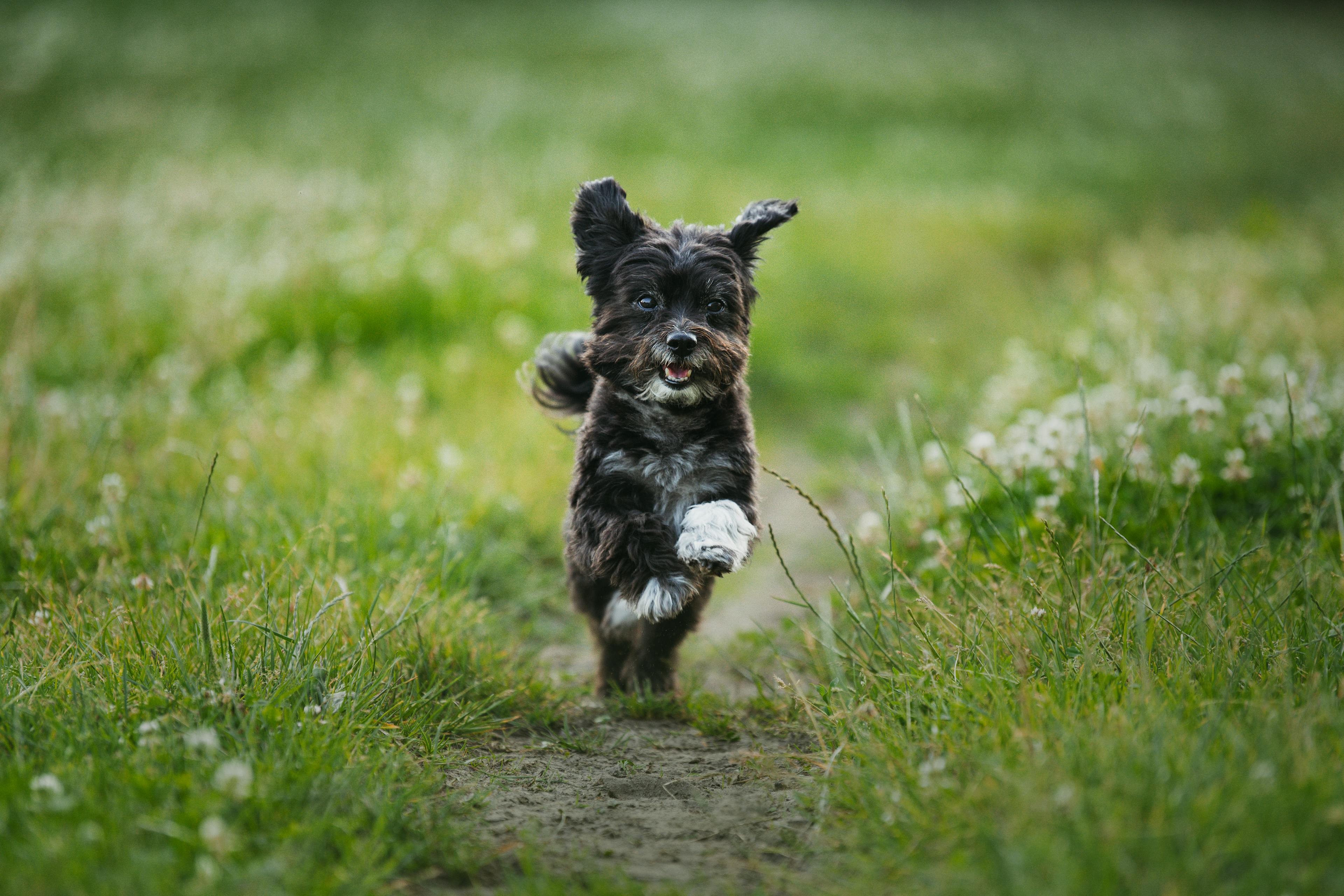
According to a study, animals with good listing photos are viewed over 65% more often than those with blurry, unclear, or even no photos at all.
But what exactly are "good" photos? Three important points to note right away: well-lit, sharp, and diverse. You don't need to be a professional photographer to take these kinds of photos—it's not expected. The goal is to give potential adopters a first impression of the animal's appearance and character.
How to: Pet Photography
First: Use existing photos
You might be able to save yourself some work: Ask the previous owners if they already have good photos of the animal and if they can provide them to you.
If that's not possible, here are a few simple tips and tricks to keep in mind when photographing.
Get someone to assist you
Here we go! It's best to approach this with another person, as it will make the process less stressful and easier for everyone involved (including the animal).
Choose the right location
Look for a place with natural daylight. If possible, integrate some greenery or nature in the background. Outdoor spaces like a garden or natural setting are ideal. However, even a bright window can make a big difference. It's important that the animal feels comfortable in the surroundings.
Pick the best time
The best lighting conditions are early in the morning or late in the afternoon when the sun is not too high and doesn’t cast harsh shadows.
Choose the camera
Don't worry, you don’t need an expensive camera. Your smartphone or a digital camera you might have stored away is more than enough! Just don't forget to clean the lens to avoid any blurry haze affecting the picture quality.
Position the animal
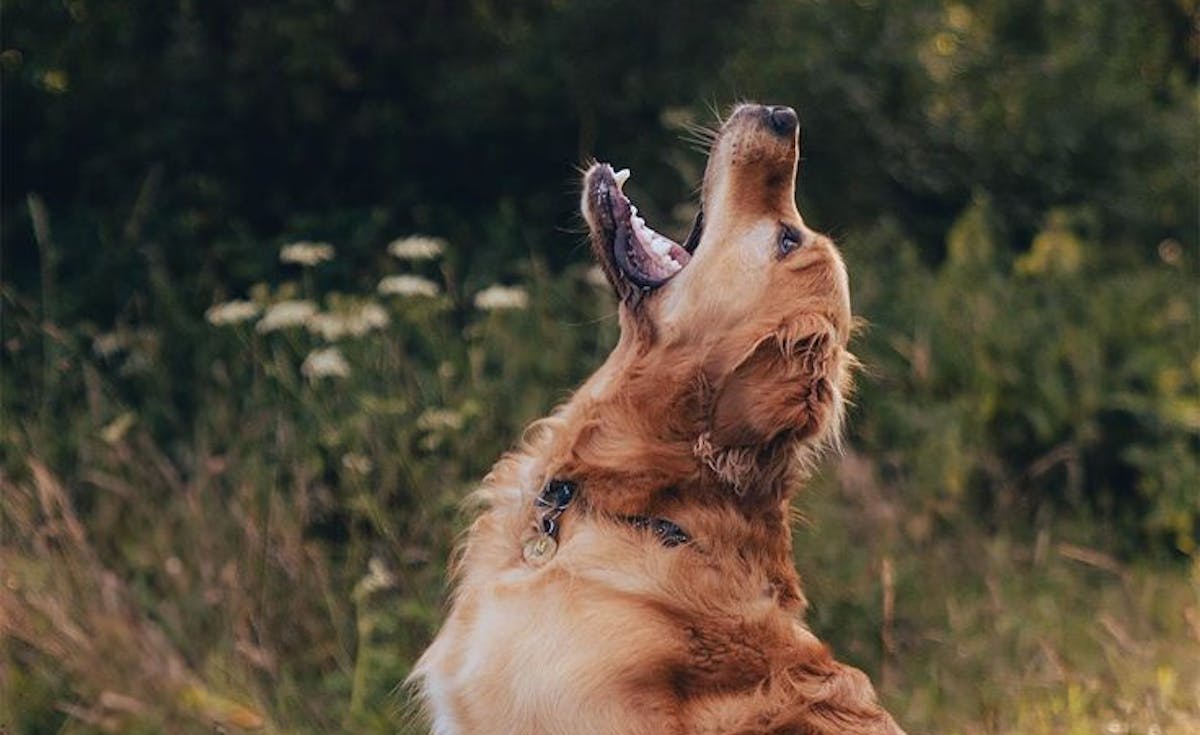
Keep some distance from the animal to give yourself enough room to maneuver. Animals often move, and that’s a good thing – we want to capture the animal’s character! Whether they're playing, running, sleeping, or cuddling – those moments are the best. Of course, calm poses while sitting, standing, or lying down also make for great photos.
Pay attention to the following:
- Is the entire animal visible, or did you accidentally cut something out of the frame?
- Is the lighting good, or are important details hard to see? If necessary, change your position.
- Is the animal looking at the camera? This can be tricky, but toys, treats, or sounds often help to grab their attention briefly.
- Is the image blurry? Keep your hands steady and ask the other person for help if needed.
Cat-specific tips
Cats can often make it even more challenging to get a good picture. You may not have the option to place them in a small outdoor area, as they tend to hide in the darkest corners of a room.
The key here is: patience and experimentation. What can lure the cat out? Maybe it's food or a toy? Try to work with the moments that arise in between. Again, aim for the brightest room and try to coax them into the lighter areas. Sometimes, a spontaneous moment may occur when the cat is resting or exploring its surroundings—take advantage of these raw moments to quickly snap a photo.
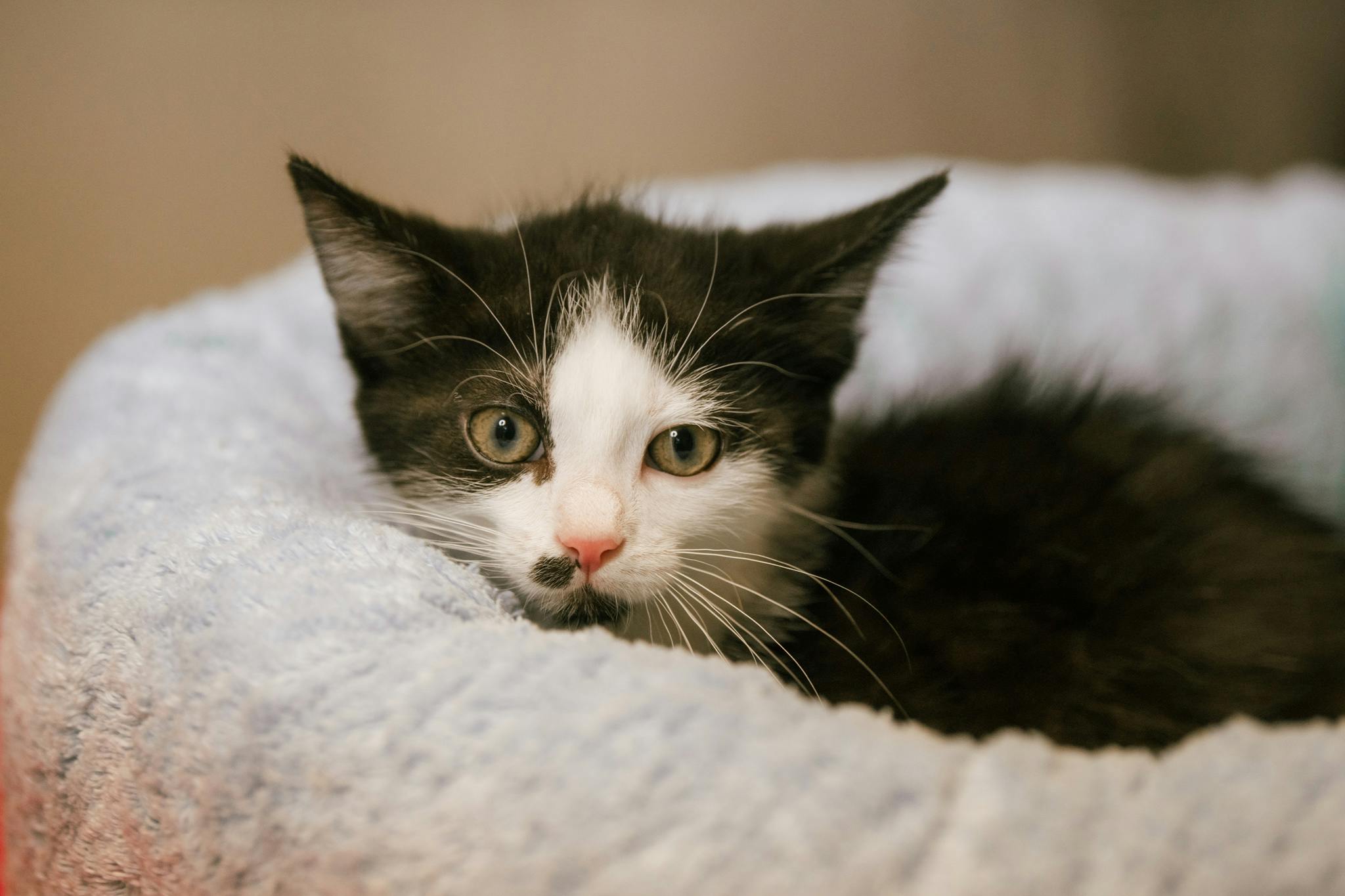
Photo Checklist
- Full-body shot: Try to capture at least one full-body picture of the animal. If it doesn't want to stand still, guide it back and forth and take the picture while it's moving.
- Close-up of the face: Sometimes, it helps to hold the animal in your arms if it's small enough.
- Character shot: A picture that shows the animal's personality, for example, while playing, sleeping, or running.
Editing of the Photos
If conditions are challenging, you can enhance the photos afterward using your phone's editing features. For example, increase the brightness and adjust the color temperature so the picture doesn't appear too yellow or blue.
Practice makes perfect
It might sound like a lot of effort, but with a bit of practice, you'll improve quickly. Of course, photographing animals can take some time, but we recommend setting aside time once a week to actively take time to take the pictures which are needed at the moment. These photos can really make a difference for each animal!
If you have any questions or need assistance, don't hesitate to contact us.
Balu wishes you success and joy in photographing!
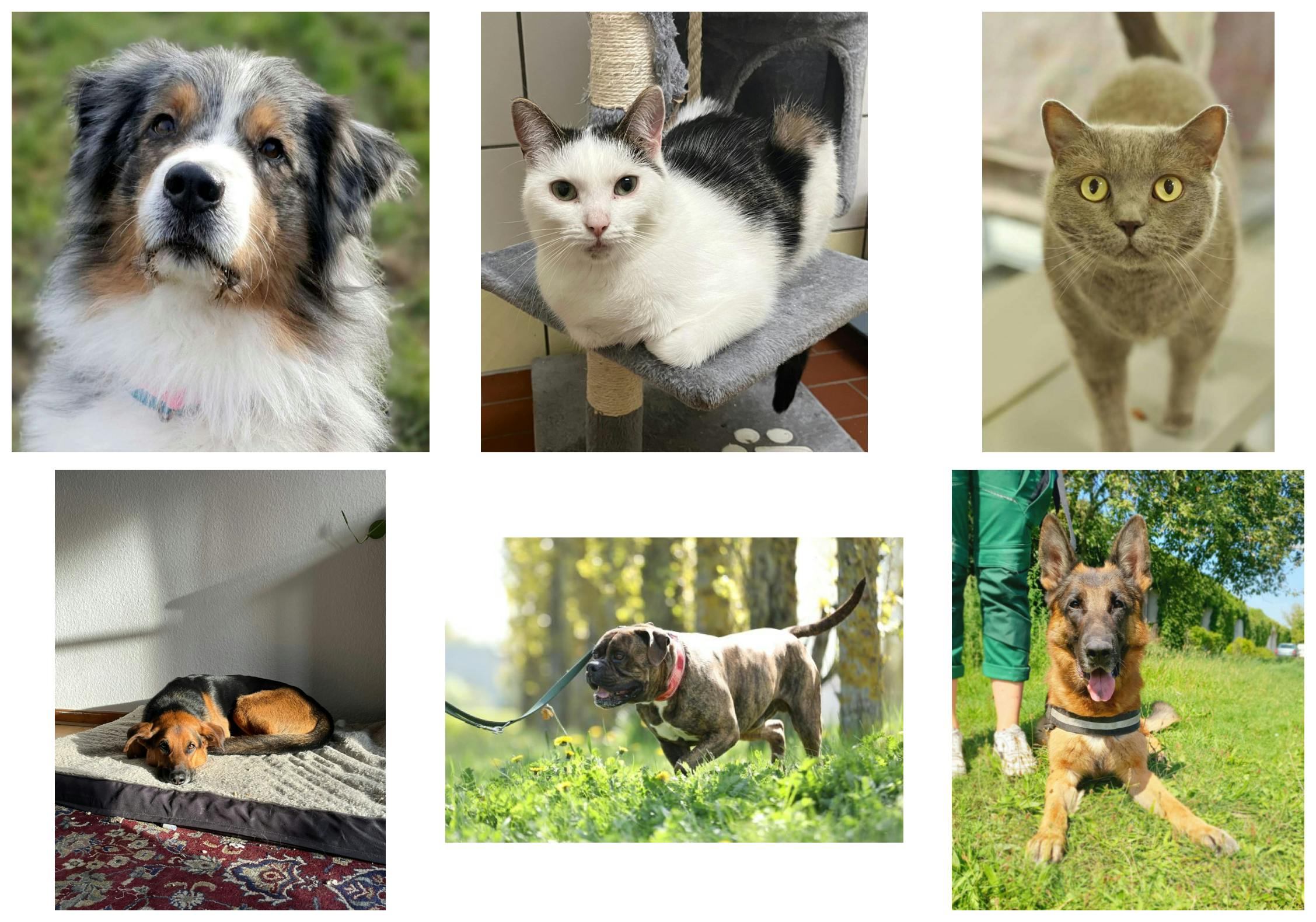
Here are a few examples of what successful pictures might look like:
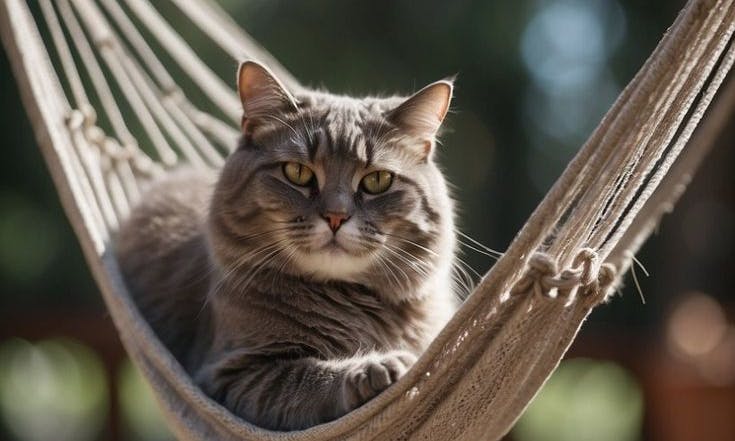
Getting A Cat? What You Need To Consider About Your Home
Bringing a cat into your life can be an incredibly rewarding experience. These independent yet affectionate creatures can bring joy, companionship, and a touch of playfulness to your home. However, before you take the leap, it's essential to consider a few key factors about your living space. Cats have unique needs, and your home environment will play a significant role in their well-being and happiness. Here’s what you should think about before adopting a feline friend.
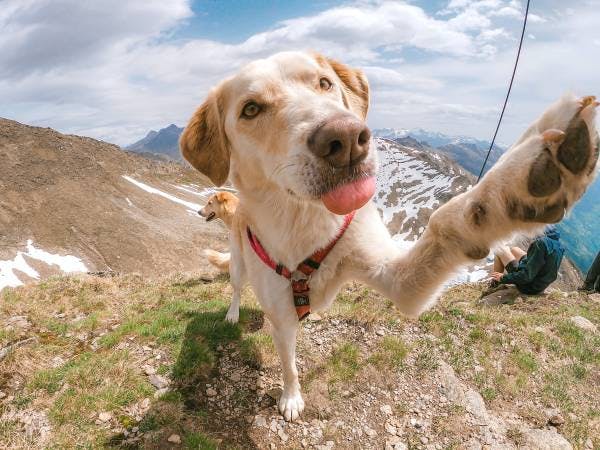
How Old Is My Dog?
If you’re like many dog owners, you might wonder about your furry friend’s age from time to time. Whether you’ve adopted a dog from a shelter, been given a dog by a friend, or just want to be sure you’re providing the best care for your pet, knowing your dog’s age is important. In this post, the Dogo App explored different methods to help you estimate your dog’s age, from looking at physical signs to considering their behavior and overall health.
Latest
From our blog
The latest industry news, interviews, technologies, and resources.