Spring Kitten Season: Why Now Is the Time to Act
Every spring, as temperatures rise across Germany, animal shelters brace for one of their most demanding periods of the year. Newborn kittens arrive in waves — many of them sick, malnourished, or born on the streets with no one to care for them.
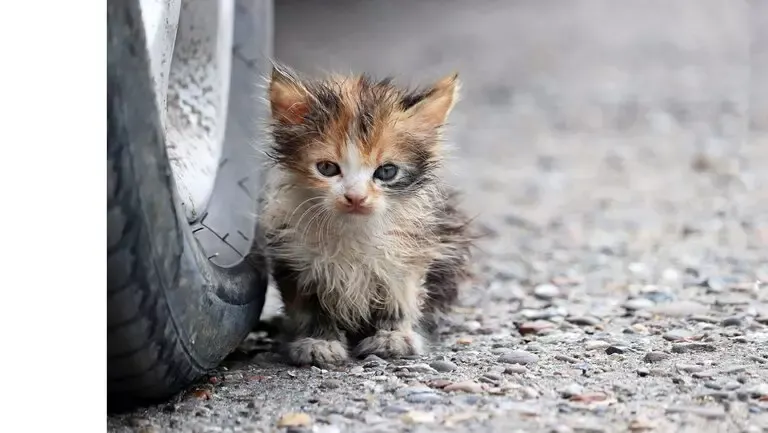
The Deutscher Tierschutzbund (German Animal Welfare Federation), is once again drawing attention to a quiet but devastating crisis. Street cats give birth outdoors, far from human care. The odds their kittens face are brutal: according to the Federation, 99% of kittens born on the street are ill, and nearly 70% are seriously so. Cat flu, parasites, starvation — without help, most of them don't survive.
The root cause traces back to unneutered free-roaming cats from private households. Each generation produces more stray cats, and the cycle continues. The Deutscher Tierschutzbund has been calling for a nationwide mandatory neutering law for years. So far, it hasn't happened.
While policymakers delay, shelters act. Hundreds of facilities across Germany — many of them Balu partners — take in kittens every season, nurse them back to health, and prepare them for a new life. But their capacity is finite.
The most direct thing you can do is adopt. Every cat that finds a home through a shelter frees up space for the next one that needs it. It's a small decision with a real impact.
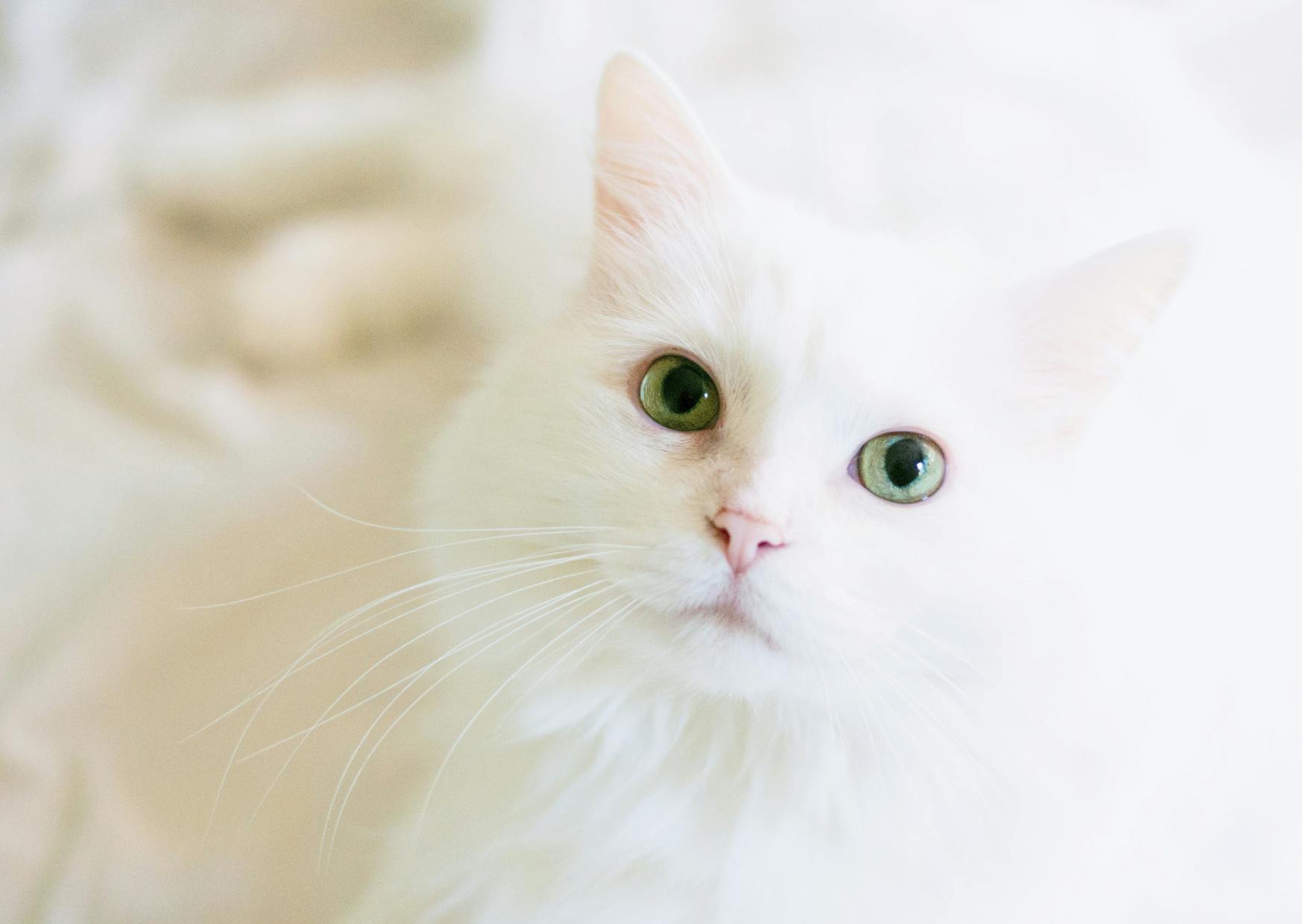
Frequently Asked Questions About Cats – Care & Behavior
Cats are independent, fascinating pets – and they raise many questions among their owners. Here you’ll find the most frequently asked questions about cat ownership, care, health, and behavior – answered in an easy-to-understand way. These tips will help you better understand your cat and give her a happy, healthy life.

Adopting a Cat in Germany: Process, Costs & Essential Tips (2026)
“Adopting a cat” is one of the top pet-related search queries in Germany. Cats are often seen as low-maintenance pets, but they also require care, planning, and long-term commitment.
This guide explains everything you need to know about adopting a cat in Germany, following recommendations from trusted animal welfare organizations such as the German Animal Welfare Association.
Latest
From our blog
The latest industry news, interviews, technologies, and resources.